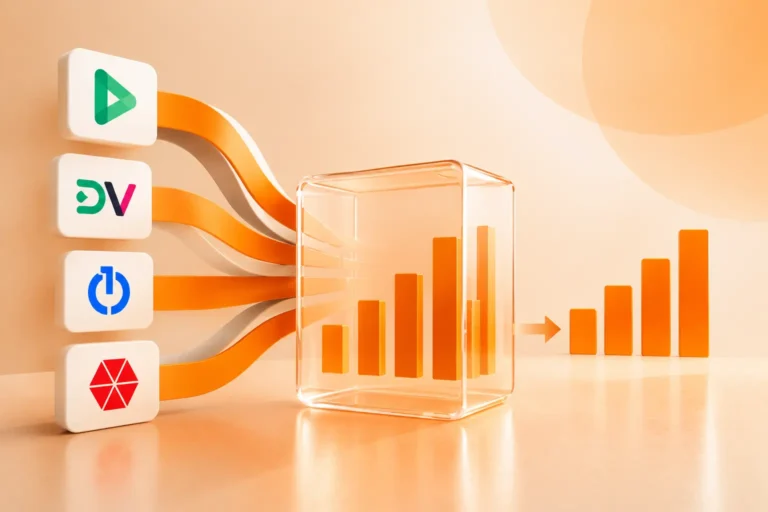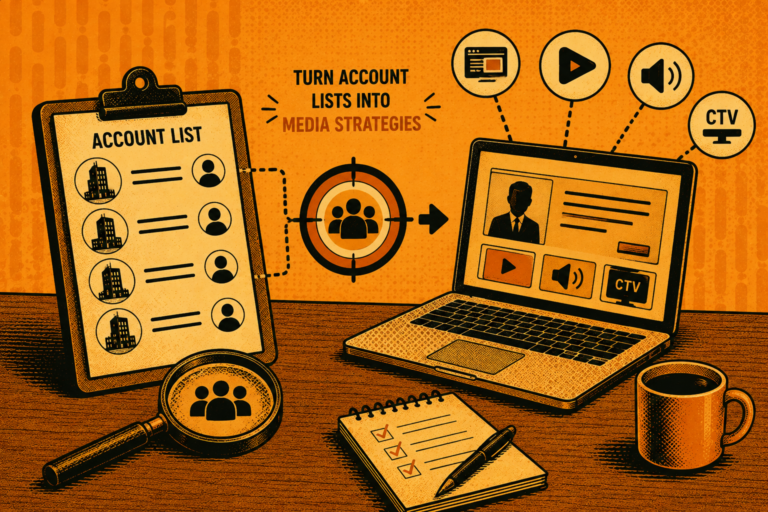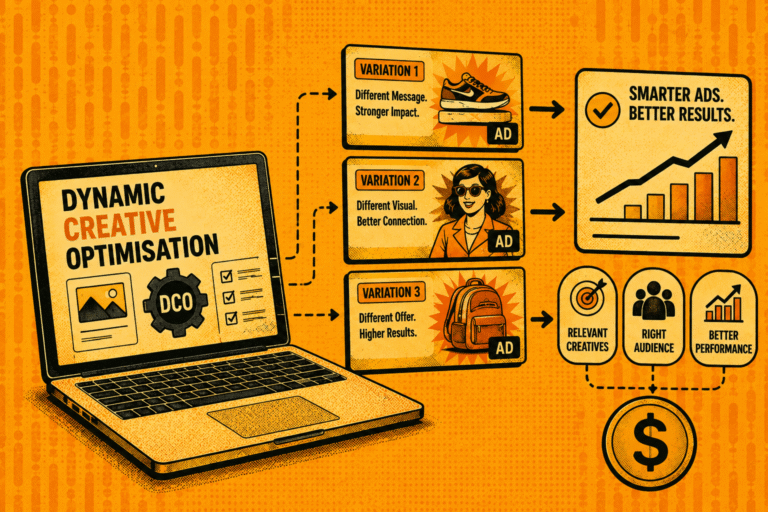
At a high level, demand-side platforms (DSPs) differ in how they approach scale and specialization.
Some DSPs are built to support multiple channels within one platform, covering display, video, CTV, audio, and mobile. Others are designed to go deeper into specific environments like CTV, retail media, or mobile app acquisition.
This difference is what shapes how agencies build their programmatic strategy and is what often pushes agencies toward either:
- If you prioritize simplicity, you lean toward one DSP.
- If you prioritize channel-level performance, you start adding more.
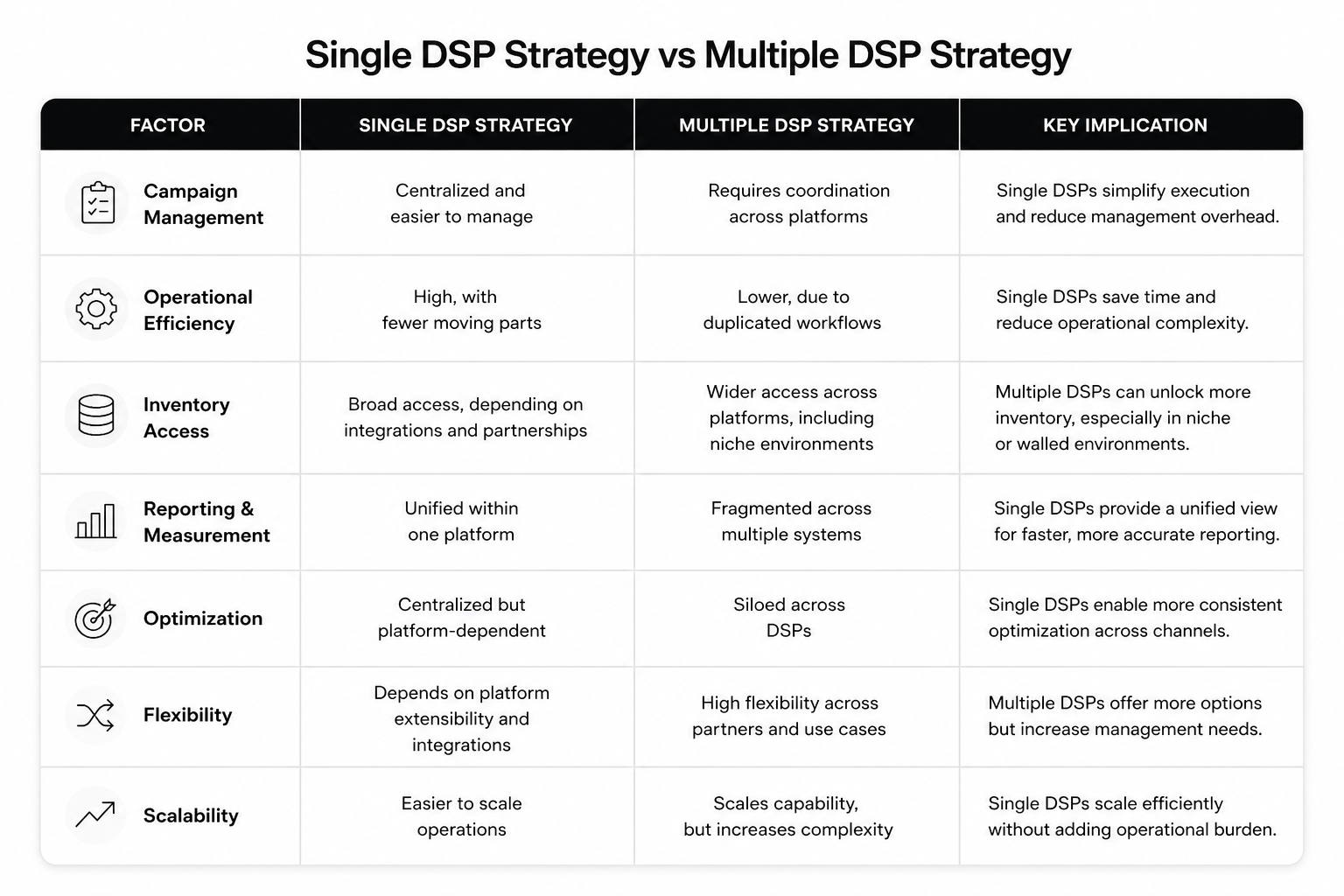
Single DSP vs Multiple DSPs: A practical comparison
First: What’s the difference?
A single DSP strategy means managing all programmatic campaigns within one platform.
A multiple DSP strategy involves using different platforms for different channels, inventory, or capabilities.
Both approaches exist for a reason. They solve real problems and shape how your entire programmatic advertising strategy operates.
But as campaigns scale, the trade-offs become more visible.
At a surface level, these differences are easy to map but they have a deeper impact on how campaigns are managed, optimized, and scaled.
Why agencies move toward multiple DSPs
Most agencies don’t actively choose complexity. They grow into it.
A single DSP works well in the beginning. Campaigns are easier to launch, reporting is centralized, and optimization happens in one place. Teams can move faster because everything sits within one system.
But as campaign requirements evolve, limitations start to show. A specific CTV opportunity might not be available within the existing platform. Retail media may require access to a different ecosystem. Some campaigns demand deeper, channel-specific optimization.
So teams expand their stack. Not because the single DSP model failed, but because the ecosystem doesn’t operate in one place.
At first, this feels like progress. More platforms bring more access, more control, and more flexibility.
But that shift introduces a different kind of problem.
Because the real problem is DSP fragmentation.
As more DSPs are added, execution becomes less of a challenge than coordination.
Campaigns begin to overlap across platforms. Data is spread across multiple dashboards. Optimization decisions are made in isolation, based on incomplete visibility.
Even simple questions become harder to answer:
- What’s actually driving performance?
- Where should budgets be reallocated?
How often are users seeing the same ad across platforms
At this stage, access is no longer the issue. Agencies already have the inventory, audiences, and channels they need.
What starts to break down instead is clarity.
Budgets are split without a unified view of performance. Frequency is managed at a platform level rather than a user level. Insights take longer to act on because they need to be stitched together manually.
This is where programmatic advertising complexity actually shows up in managing it across systems.
Why adding more DSPs doesn’t always improve performance
Each demand side platform operates within its own environment, optimizing toward its own signals. There’s no shared learning across platforms, and no single view of what’s actually driving results. And performance doesn’t scale that cleanly, creating conflicting performance signals and slowing down decision-making.
Instead of improving efficiency, teams often find themselves spending more time reconciling reports, aligning strategies, and manually coordinating campaigns. What initially feels like flexibility can quietly turn into operational drag.
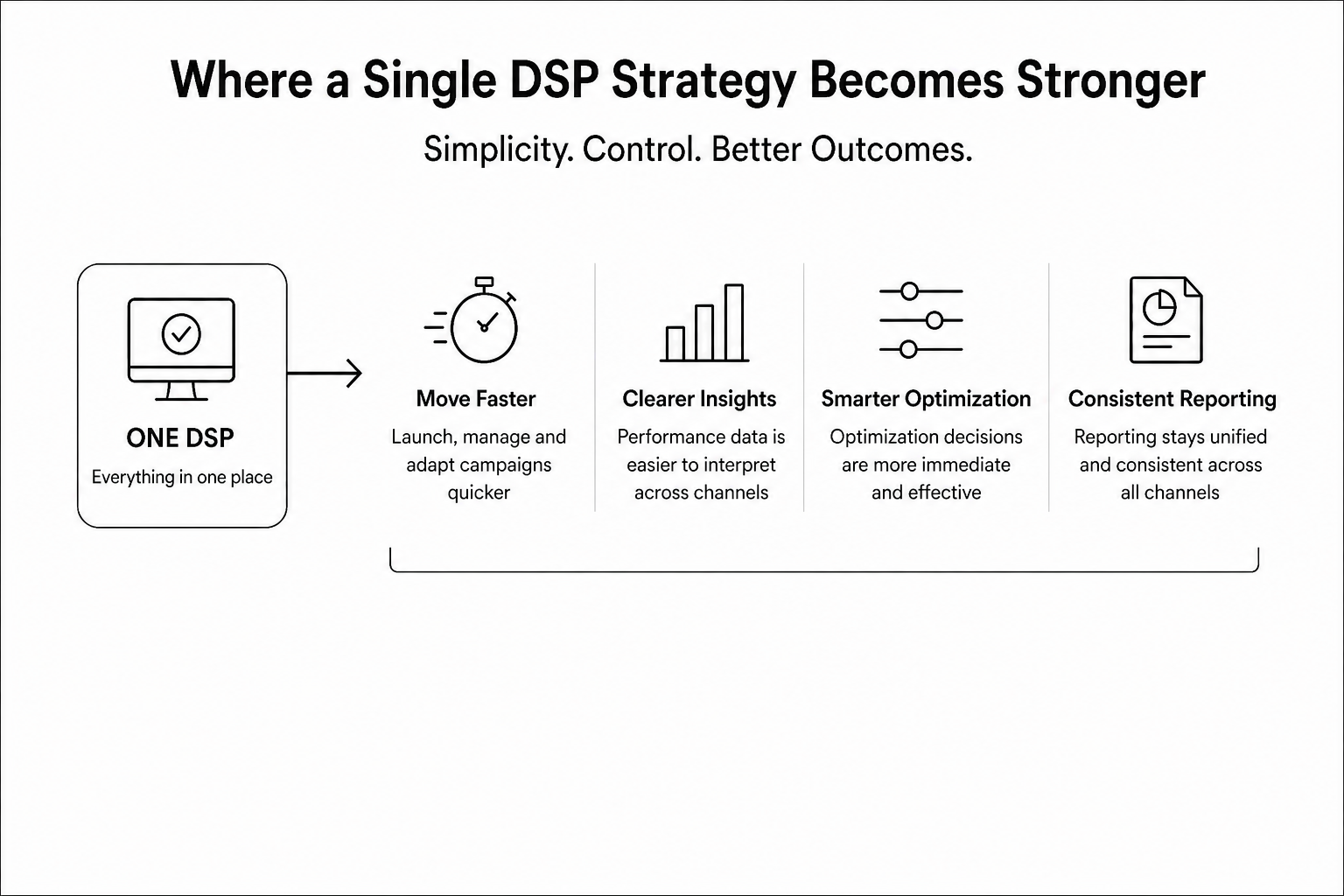
Where a single DSP strategy becomes stronger
This is where a single DSP strategy starts to stand out for simplicity and control.
When programmatic campaigns are managed within one system, teams can move faster. Performance data is easier to interpret, optimization decisions are more immediate, and reporting stays consistent across channels. More importantly, it allows teams to focus on outcomes instead of workflows.
The advantage isn’t just fewer platforms. It’s the ability to run campaigns with clarity and speed, without constantly navigating between tools.
The role of a meta DSP in modern programmatic advertising
Traditionally, the biggest restriction of a single DSP was access. No one platform could fully match the depth of specialized DSPs, which is why agencies expanded into multiple systems.
A meta DSP is designed to solve that exact problem.
It combines the operational efficiency of a single DSP with the extended access typically associated with a multi-DSP setup. Instead of forcing teams to choose between consolidation and capability, it allows them to operate with both.
In other words, it shifts the model from:
Managing multiple platforms → to → accessing multiple environments through one system
This is exactly the gap modern programmatic platforms are now trying to close and Vizibl is built around that shift.
It enables agencies to operate within a unified system while still accessing the breadth of inventory and opportunities that would traditionally require multiple DSPs. The result is a more consistent approach to campaign execution, measurement, and optimization without the usual DSP fragmentation.
Instead of managing multiple platforms, teams can focus on improving performance with a clearer, more connected view of their campaigns.