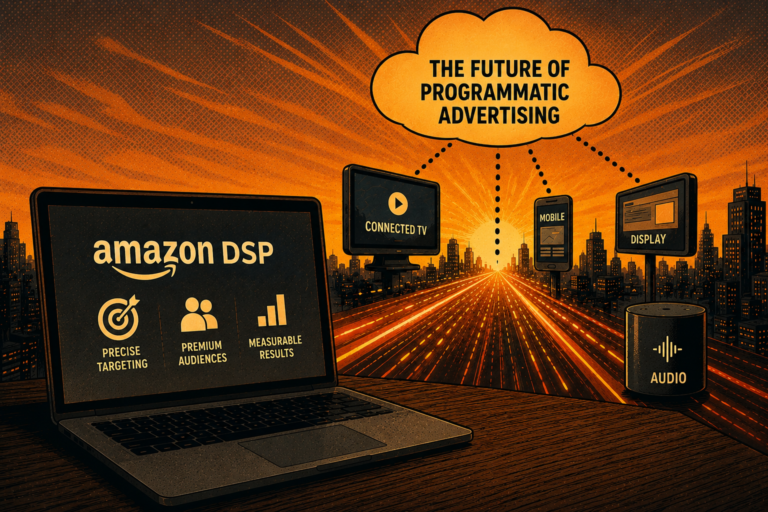
Programmatic CTV advertising is becoming a core performance channel in modern omnichannel media strategies. Instead of being used only for reach and brand awareness, Connected TV now plays a measurable role in driving conversions, improving cross-channel sequencing, and increasing overall campaign efficiency.
Advertisers no longer treat CTV as a standalone screen. When planned through an omnichannel DSP, CTV connects with mobile, display, and online video to manage reach, control frequency, and guide users from brand exposure to action across devices.
The key question for advertisers is no longer whether CTV belongs in the mix. It is how to use programmatic CTV advertising to improve performance across every channel in the media plan.
What Is Programmatic CTV Advertising?
Programmatic CTV advertising uses automated buying to deliver ads across streaming TV environments while enabling audience targeting, frequency control, and cross-device measurement across digital channels.
Unlike linear TV, programmatic CTV can be planned, optimised, and measured alongside mobile, display, online video, and social media. This allows advertisers to treat streaming TV as part of a unified performance strategy rather than a standalone reach play.
TL;DR
- Programmatic CTV is now a performance channel, not just an awareness tactic
- CTV enables cross-channel sequencing, connecting big-screen storytelling to action on smaller devices
- Unified reach and frequency across CTV and digital reduces wasted impressions and audience fatigue
- Live sports streaming on CTV creates high-attention moments that extend performance across devices
- In 2026, successful advertisers plan CTV inside omnichannel DSPs rather than running it in silos
- When integrated correctly, CTV becomes a measurable performance channel — not just a reach tactic
Why Programmatic CTV Advertising Anchors Omnichannel Strategy
The most important shift is strategic. Advertisers increasingly see programmatic CTV as the bridge between traditional TV and digital-first media buying. Not as a replacement for other channels, but as an integrated anchor that improves performance everywhere else.
Streaming TV is no longer planned in isolation. Instead, CTV advertising is now expected to:
- Extend incremental reach beyond social and online video
- Act as a high-impact first touchpoint in the funnel
- Improve efficiency across the full programmatic advertising mix
In practice, anchoring your omnichannel strategy with CTV means:
- Planning CTV as the first exposure rather than an afterthought
- Using shared audiences across CTV, mobile, display, and video
- Managing reach and frequency centrally instead of per channel
This year, CTV planning starts with a performance mindset: How does this screen improve results everywhere else?
By activating programmatic CTV campaigns within an omnichannel DSP, advertisers can manage reach, frequency, and audience targeting across CTV, mobile, display, and video together, ensuring streaming impressions contribute to business outcomes, not just exposure.
How CTV Advertising Drives Cross-Channel Sequencing
One of the biggest advantages of CTV advertising is its role in message sequencing.
CTV delivers high-attention, lean-back viewing experiences. That makes it ideal for brand storytelling but its real power shows when it’s connected to downstream performance media.
A typical sequence might look like this:
1) A viewer sees a high-impact CTV ad during premium streaming content
2) Shorter, action-oriented ads follow on mobile or desktop
3) Conversion-focused messaging appears through display or online video
This orchestration transforms CTV from a reach-only channel into a performance multiplier.
To make this work, advertisers need unified access to audience targeting, identity resolution, and cross-device measurement. When programmatic CTV advertising runs inside the same DSP as the rest of your media, sequencing becomes intentional, not accidental.
Turn Programmatic CTV Advertising into a Reach and Frequency Control Tool
Fragmentation has made managing reach one of the hardest problems in digital advertising. Audiences are spread across devices, and platform silos create duplication and waste.
CTV frequently reaches households that are lighter users of social and desktop media, unlocking incremental reach that other digital channels miss. But the real value appears when CTV is connected to cross-channel frequency management.
Without omnichannel coordination:
- The same user sees identical creative on Instagram, YouTube, and CTV
- Results include wasted budget and increased ad fatigue
With programmatic CTV integrated:
- A high-impact CTV ad serves as the first exposure
- Follow-up ads are shorter and appear on mobile or desktop
- Conversion-focused messaging appears later through display
The result is the same budget delivering more unique reach, smarter sequencing, and less fatigue.
How Live Sports Streaming Supercharges Programmatic CTV Advertising
The rapid growth of live sports streaming is accelerating the importance of programmatic Connected TV advertising.
Live sports generate emotional, real-time engagement. When paired with programmatic CTV, those moments can immediately influence performance across other channels.
A fan watches a live game on CTV. Shortly after, complementary messaging appears on mobile. Follow-up ads reinforce the message while intent and engagement remain high.
This combination of cultural relevance and data-driven activation makes programmatic CTV advertising a cornerstone of omnichannel storytelling in 2026 and links premium content to measurable outcomes.
How to Measure Programmatic CTV Advertising Performance
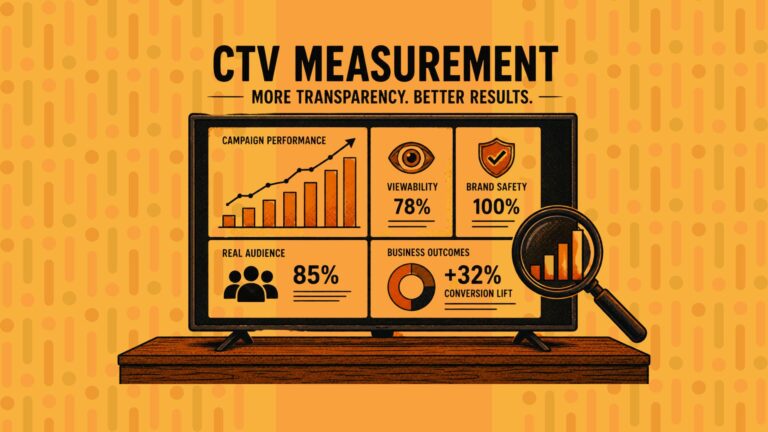
For programmatic CTV advertising to function as a performance engine, measurement must extend beyond impressions and completion rates.
Programmatic CTV performance is measured by analysing how streaming ad exposure influences conversions, engagement, and efficiency across other digital channels.
Advertisers in 2026 expect measurement frameworks that show:
- How CTV exposure impacts performance on mobile, display, and online video
- Whether viewers convert after seeing a CTV ad on another device
- How streaming impressions improve overall campaign efficiency
This requires unified reporting, cross-device attribution, and transparent supply paths. When CTV is bought through fragmented platforms, performance impact is difficult to prove. When activated through an omnichannel DSP, advertisers can connect streaming exposure to real business outcomes.
From Channel to Growth Engine
The future of programmatic CTV advertising isn’t about adding another line to the media plan. It’s about turning CTV into the system that powers omnichannel performance.
CTV will help advertisers sequence messages, unlock incremental reach, and connect premium viewing moments to measurable results across devices.
The brands that win will stop asking, “Should we run CTV?”
And start asking, “How can programmatic CTV advertising make every other channel perform better?”