Scaling an iGaming brand sounds straightforward in theory: increase budgets, reach more users, drive more sign-ups. But in reality, growth often comes with rising acquisition costs, inconsistent player quality, and ad spend leaking into the wrong audiences or restricted regions.
Many iGaming advertising campaigns end up paying for clicks that never turn into deposits, impressions served where betting isn’t even legal, or traffic that looks good on paper but delivers little long-term value.
Programmatic advertising for iGaming uses data, automation, and real-time decision-making instead of scaling blindly to help brands reach the right users, control where ads appear, and continuously optimize performance.The result isn’t just bigger campaigns, it’s more efficient iGaming marketing that scales without letting budgets spiral out of control.
TL;DR
- Scaling iGaming campaigns gets expensive when ads reach the wrong users or regions
- Programmatic advertising for iGaming helps reduce wasted impressions through precise targeting
- Geo-targeting ensures ads run only in legal and high-value markets
- Real-time bidding prevents overpaying for low-intent users
- Optimization based on deeper actions improves player quality, not just volume
- Continuous performance adjustments keep costs efficient as campaigns scale
- Smarter spend — not just higher spend — is the key to sustainable iGaming marketing growth
What makes scaling iGaming advertising so expensive?
The biggest cost driver in iGaming marketing isn’t always media prices. It’s wasted impressions. Ads often reach users in regions where betting isn’t legal, audiences with no intent to play, or low-quality placements that generate clicks but no deposits. Add to that high competition during sports seasons and big events, and costs can spike fast.
Without tight control over where ads appear and who sees them, scaling simply means paying more for the same (or worse) results.
How does programmatic advertising reduce wasted ad spend?
It uses data and automation to buy ad inventory in real time, which allows iGaming brands to be far more selective. Instead of buying large chunks of media blindly, advertisers can bid only on impressions that match specific criteria like geography, device type, behavior signals, or past engagement.
This precision means fewer ads served to the wrong audience and more budget directed toward users who are actually likely to sign up or deposit. Over time, this improves iGaming campaign performance while keeping costs under control.
Can programmatic ads help target only legal and high-value markets?
Yes and this is one of the biggest advantages of programmatic for iGaming brands. Because regulations vary by country, state, and even city, broad targeting can easily lead to wasted impressions or compliance risks.
Programmatic platforms allow for detailed geo-targeting in iGaming campaigns, ensuring digital ads only appear in approved markets. This not only protects ad spend but also helps brands focus investment where player acquisition is actually possible and profitable.
How does smarter bidding improve performance in iGaming campaigns?
You often pay fixed rates in traditional buying regardless of user quality. With real-time bidding in programmatic advertising, each impression is evaluated before a bid is placed. If a user shows signals of higher intent like visiting sports content or engaging with similar apps, the system can bid more aggressively. If the signals are weak, it can bid lower or skip the impression entirely.
This approach helps iGaming brands avoid overpaying for low-value traffic while still competing for users who are more likely to become active players. The result is more efficient customer acquisition for iGaming.
Does programmatic advertising help improve player quality, not just volume?
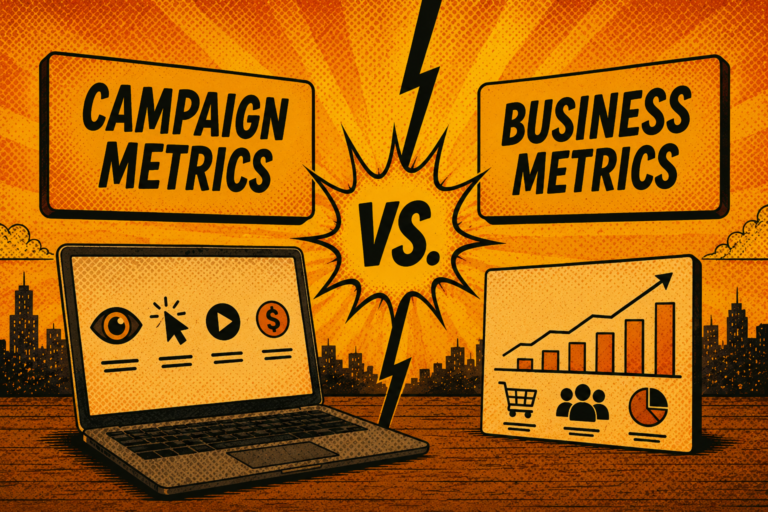
Absolutely. Scaling isn’t just about more registrations; it’s about attracting players who stay active and generate long-term value. With data-driven advertising in iGaming, campaigns can be optimized toward deeper actions like completed sign-ups, first deposits, or repeat sessions and not just clicks.
As the system learns which audiences drive better outcomes, the budget naturally shifts toward higher-quality users. This makes scaling feel less like guesswork and more like a controlled growth strategy.
How does programmatic support continuous optimization?
One of the biggest strengths of programmatic media buying is that it doesn’t rely on static campaigns. Performance data flows in constantly, allowing campaigns to adjust in near real time. If a certain site, audience segment, or time of day underperforms, spend can be reduced there and redirected to better-performing areas.
For iGaming brands, where performance can shift quickly around sporting events or seasonal trends, this flexibility helps maintain efficiency even as scale increases.
Is programmatic only for big iGaming brands with huge budgets?
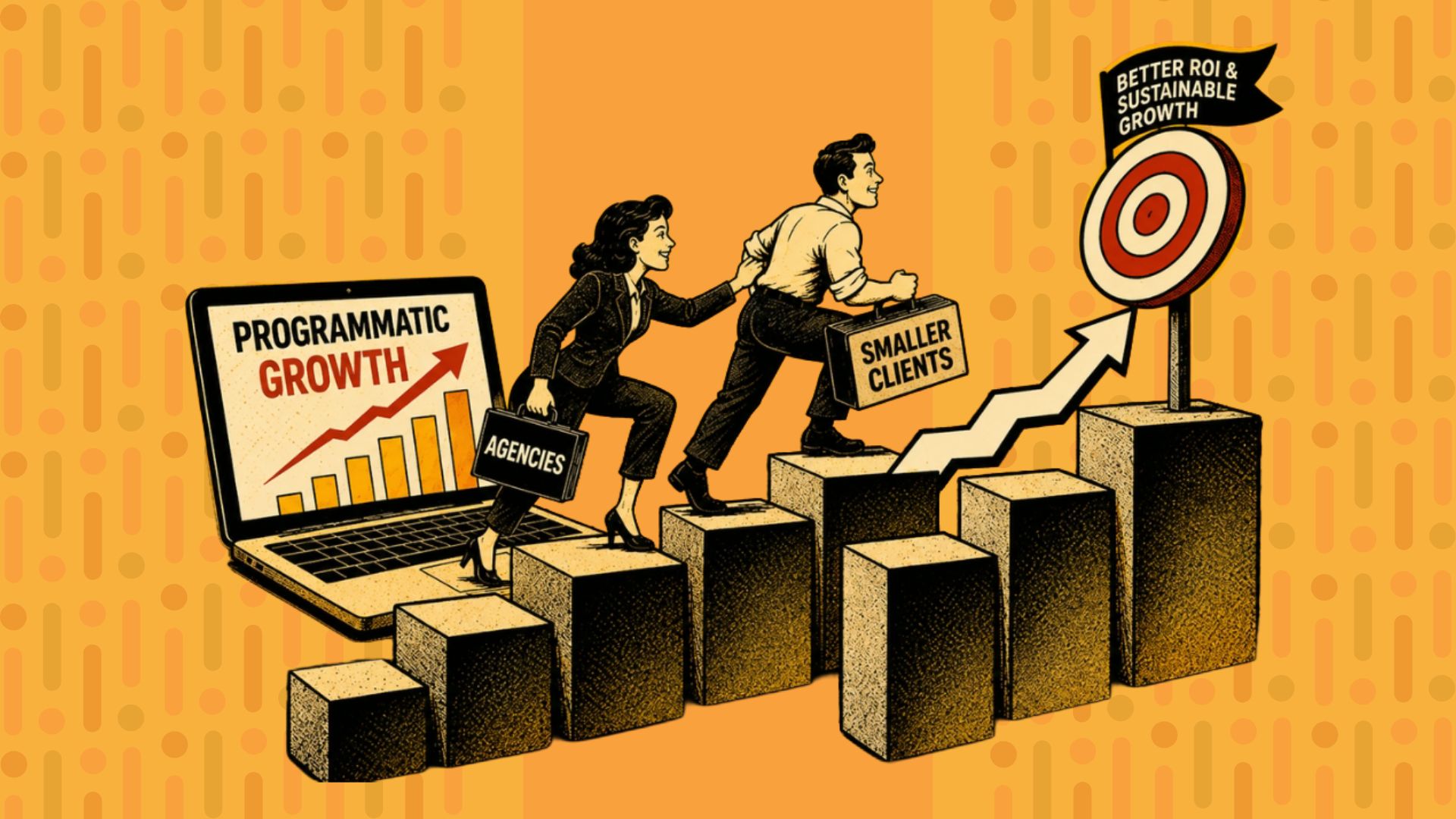
Not at all. In fact, programmatic advertising for gaming companies can be even more valuable for brands with tighter budgets. Because spending is tied to performance signals and precise targeting, smaller advertisers can compete more strategically rather than trying to outspend larger players on broad channels.
This levels the playing field and makes growth more sustainable over time.
What’s the biggest mindset shift for scaling iGaming with programmatic?
The shift is moving from “more spend equals more growth” to “smarter spend drives better growth.” With performance marketing in iGaming, success comes from refining who you target, where ads appear, and how much you bid for each opportunity.
Programmatic ads give brands the tools to make those decisions based on data instead of assumptions. That’s what allows scaling to feel controlled instead of chaotic.
Efficiency Is the Real Growth Strategy
In iGaming, scaling is often a profitability challenge. Every impression served in the wrong market, every low-intent click, and every poorly timed bid quietly erodes margins, even when surface-level metrics appear strong.
Programmatic advertising shifts the focus from chasing volume to concentrating on value. By combining precise geo-targeting, real-time bidding, and continuous optimization, iGaming brands can align spend with players who are more likely to register, deposit, and remain active over time. Growth becomes less reactive and more predictable.
When data rather than assumptions drive scaling, performance stabilizes. Programmatic enables iGaming marketers to expand confidently, knowing each incremental investment is guided by intelligence, compliance, and efficiency. And in a category where margins matter as much as momentum, that discipline is what makes growth sustainable.